
The Films We’ve Watched So Far
Black cinema continues at London Film Festival, and here are the films we’ve watched so far and why you need to see them. From a tribute to Archbishop Desmond Tutu to stories of friendship, loyalty and survival, this year’s selection is a chance to reflect on what we stand for and what friendship is worth.
Many films are sold out, but you can line up at the standby queue to see if tickets come available.
Tutu: A Portrait of Archbishop Desmond Tutu
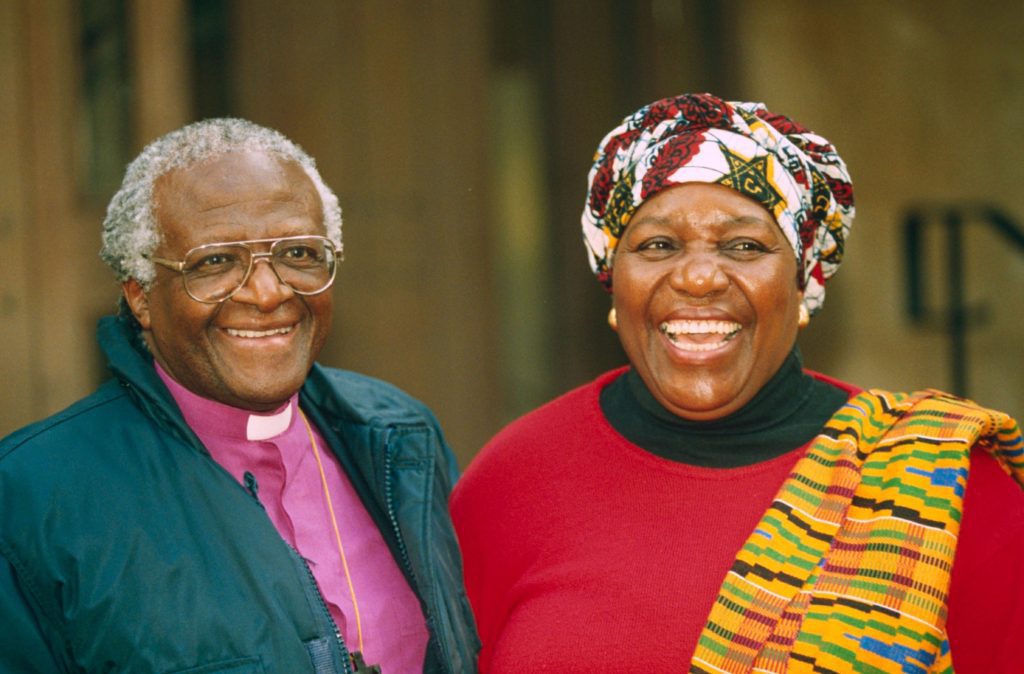
Directed by Sam Pollard. Cinematography by Geoffrey Sentamu. Executive producers include Trevor Noah.
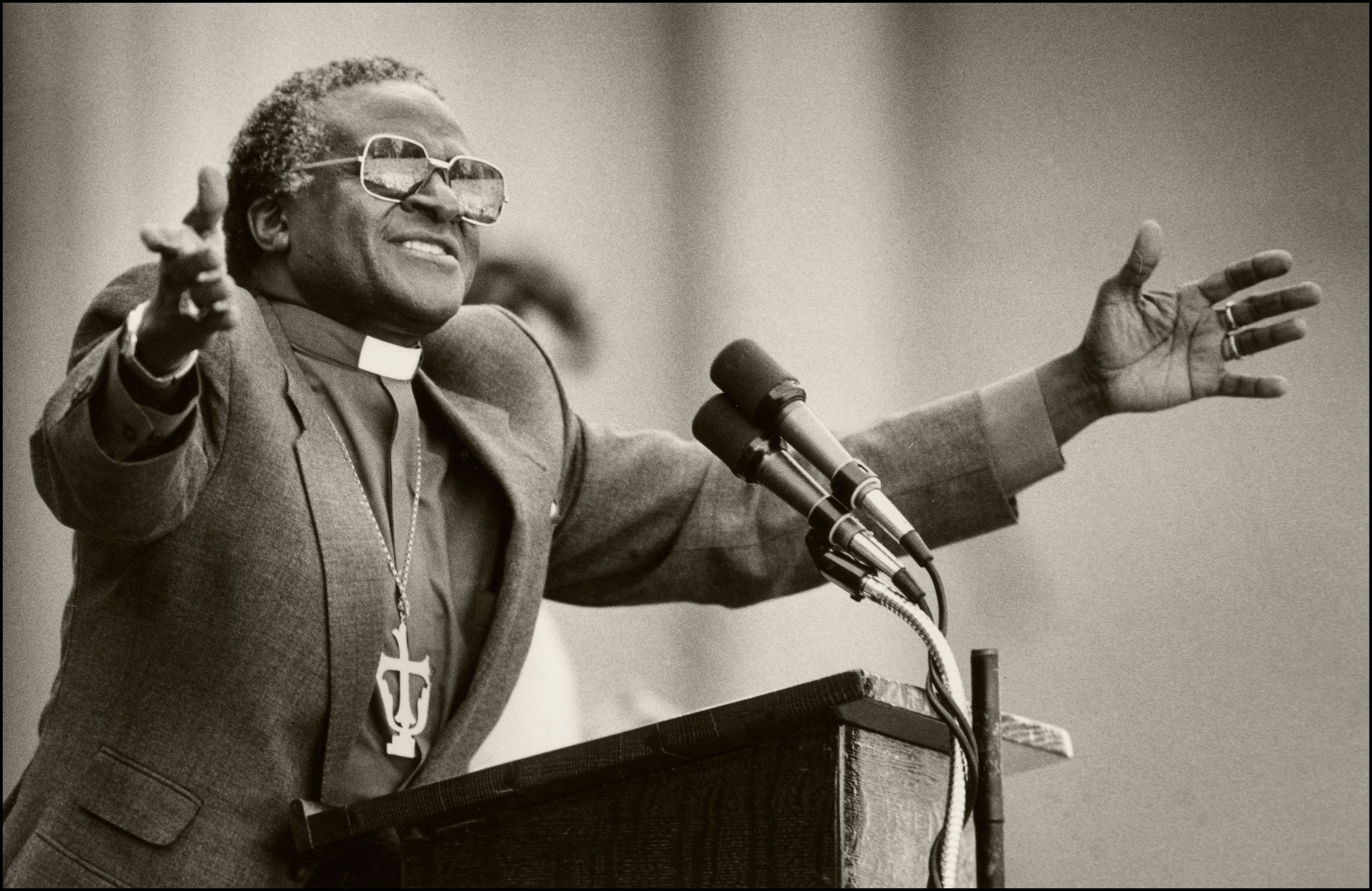
Tutu is a tribute to the late Archbishop Desmond Tutu: Nobel Peace laureate, the first Black Archbishop of Cape Town, and a tireless advocate for peace in his native South Africa and beyond. In later life, he also served as a UN envoy working for Israeli-Palestinian peace.
For many years, South Africa was ruled by a white minority over a Black majority. Black South Africans were denied basic rights, restricted in where they could go, required to carry a “pass” and subject to police-enforced curfews. Tutu became the voice of those people, offering peace and forgiveness as his core message and calling on everyone to unite under equality.
The film draws on archival footage shot by a crew who followed Tutu for many years, capturing everything from public talks to birthdays. They became so close to him that he called them his Palestinian and Jewish sons. Through this footage, history unfolds: the struggle against apartheid, Nelson Mandela’s release from prison in 1990, and Tutu’s chairing of the Truth and Reconciliation Commission, created to help South Africa heal.
Just as compelling is the man behind the public figure. We see his prayer life, his humour and the unwavering support of his wife, Leah Tutu, and their children. There are private moments we would not normally witness, such as retreats to Sweden, where he could rest and recharge. In one of the most memorable scenes, the camera is in his living room as he celebrates the announcement of Mandela’s release, and you feel as though you are in the room with him.
Tutu is an intimate and moving portrait of a man who answered oppression with peace and forgiveness.
Content note: Includes graphic images of racial violence and torture from the apartheid era. Some scenes may be distressing.
Tickets still available at time of publishing: Tuesday 13th October, 21:00, Vue West End.
I Love Boosters
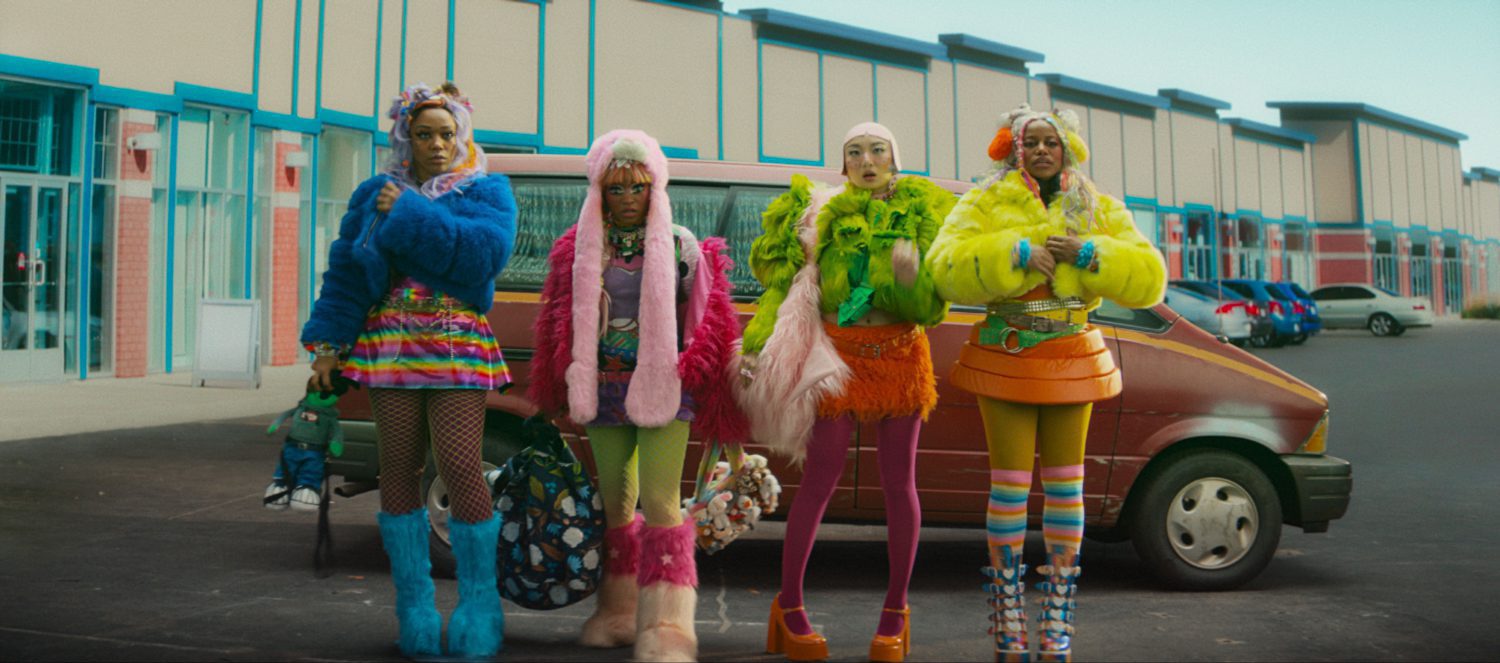
Directed by Boots Riley. Starring LaKeith Stanfield, Keke Palmer and Naomi Ackie.
A fight against capitalism wrapped in comedy and colourful costume. Once the laughter fades, it leaves you asking what is really going on in fashion, and who ultimately pays the price for our clothes. Includes some graphic scenes, leaning towards horror in parts but with Riley’s comedic edge.
Lady
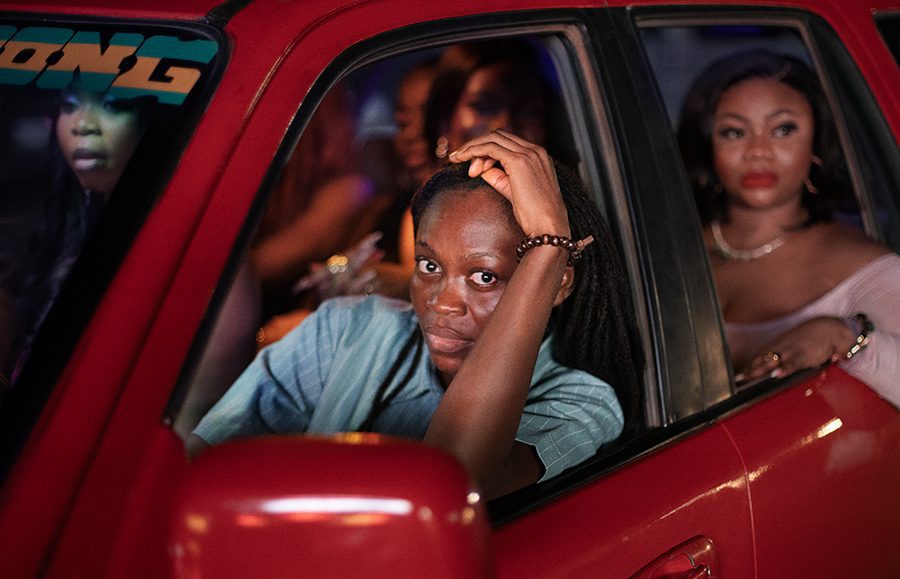
Directed by Olive Nwosu. Starring Jessica Gabriel‘s Ujah.
One car and a group of women on a mission in Lagos, Nigeria. Jessica Gabriel’s Ujah leads as Lady; with eyes that pull you into her plight. When her friend Pinky returns after a long absence to ask a favour, accepting it changes both their lives. A strong ensemble tells the story of sex work and, more importantly, of the people behind it.
One to watch.
ANIMOL
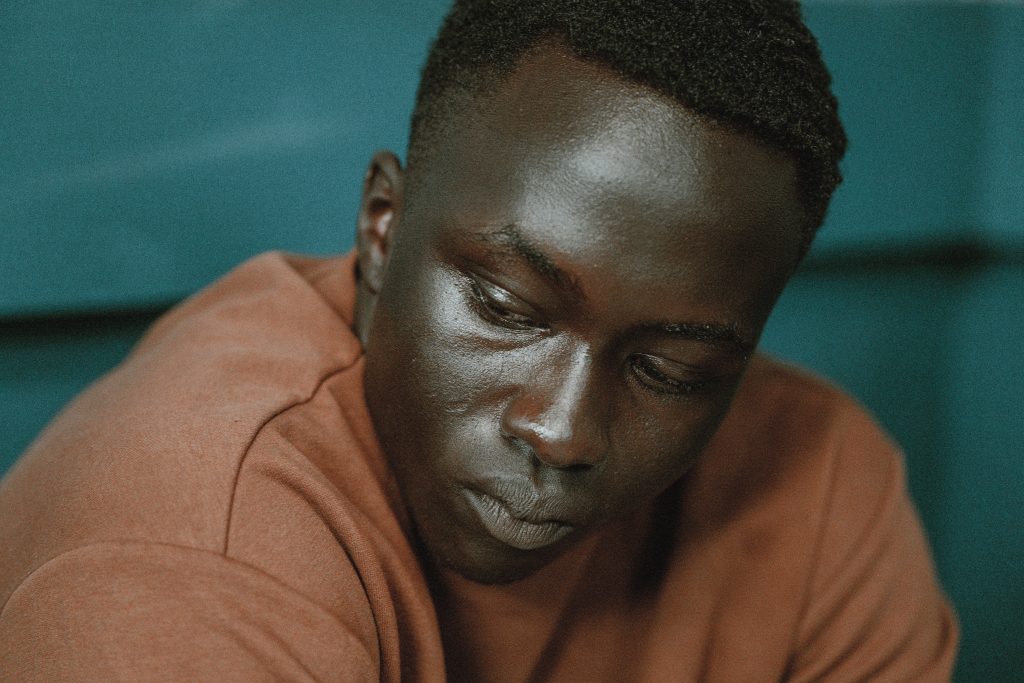
Directed by Ashley Walters. Starring Tut Nyuot and Sekou Diaby.
Walters’ directorial debut is stunning, with assured cinematography and flow. The portrait of Troy, a young man on remand, is heartfelt: someone defending himself and trying to survive a harsh environment after a tough start in life. Tut Nyuot stands out in the lead, with Sekou Diaby a strong presence as Dion. It opens up a conversation about childhood and the role models around us.
Worth watching.
Florid
Directed by Billy Lumby, Starring Jonathan Jules, with Unknown T.
A heartfelt exploration of grief and mental health. Jamal (Jonathan Jules) lives in a supported living facility and hears voices. Music is his outlet and a window to a world of joy. Unknown T is a great addition in a supporting role, and also lends his voice to the film.
House of the Wind
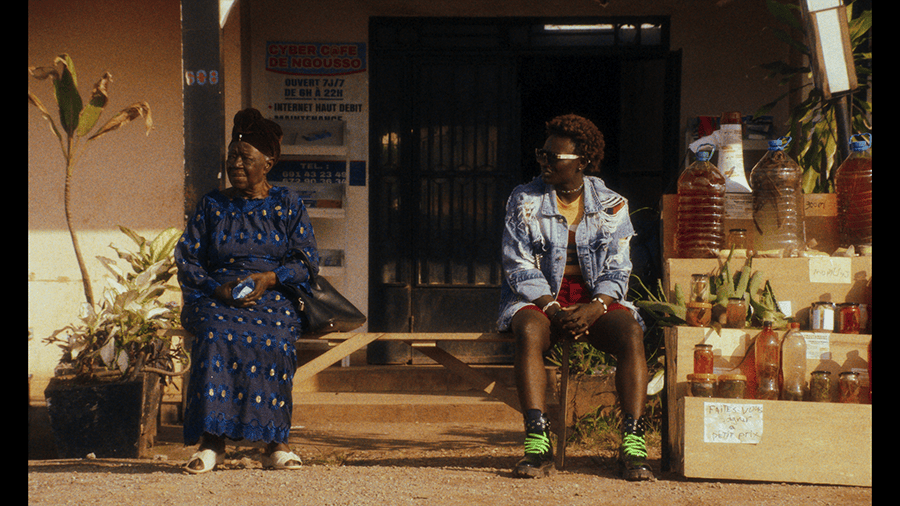
A film dedicated to our parents. Those whose children have long since flown the nest, often living continents away. It looks at life back home, retirement and dependence, set against life in the West, where bills, health and the cost of living pile up. Along the way comes an unlikely friendship between Josette and Sarah, played by Josette Kwanya and Moudjeu Pouadeu Edwige Tatiana.
It makes you pause and reflect on what matters most.
Marie Madeleine
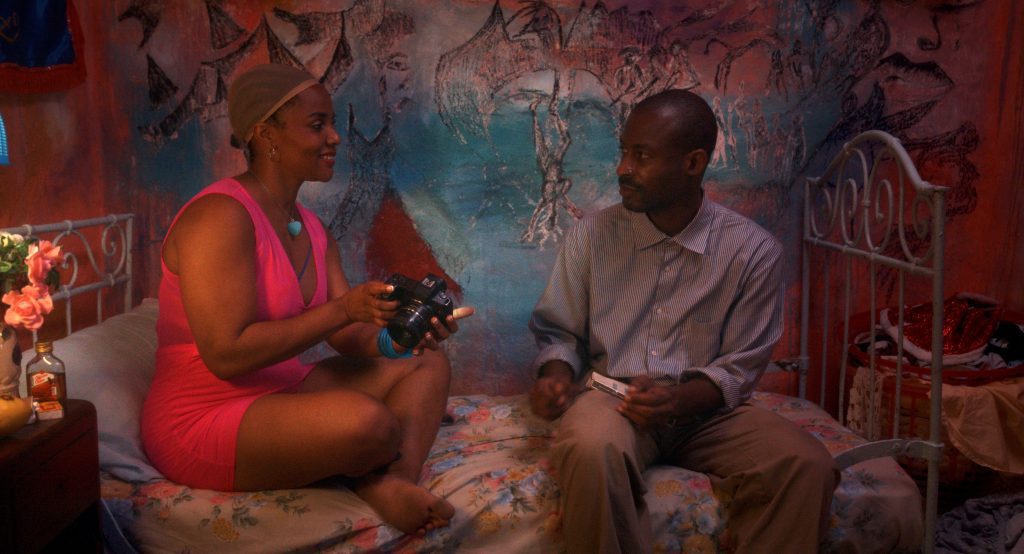
Actor Director Gessica Généus. Also starring Béonard Monteau and Edouard Baptiste
A film about a street in Haiti, where people go for relief. On one side stands a brothel, home to the madam and her sex workers. On the other, a new church where a father and his son host services for the local community. At the heart of it are two souls who form an unlikely friendship: Marie, a sex worker who numbs herself against unresolved trauma, and Joseph, a silenced son who has adapted to life under a controlling father. The film explores that bond and its consequences, and how traditional beliefs and the church collide with it. [Actor’s name] is haunting as the father, who keeps a firm grip on his congregation, using radio shows to extend his influence, and an even tighter grip on his son. Gripping cinema from Haiti.
Content warning: Religious imagery, violence and representations of homophobia.
Full reviews will appear in the MULAGE Magazine print edition in February.
Visit the BFI London Film Festival Website to book and for more information.